Enterprise programmes. SME principles.

10 flagship deployments spanning enterprise AI, governance frameworks, smart cities, digital infrastructure, and critical operations across Asia and the Middle East. Every case study leads with measurable outcomes and a named mechanism — drawn from production at scale — that transfers to a business of any size.

Enterprise data centre corridor with orange server LEDs
Enterprise AI 01

KELIX Enterprise AI Platform

Proprietary private cloud AI engine built for 6,000+ engineers on multi-billion dollar projects.

6,000+ Engineers on platform
Multi-billion Project environments
Private Cloud Full data control

Proprietary private cloud AI engine trained on engineering standards, project history, and compliance frameworks — deployed where public cloud AI was ruled out by security and compliance requirements. Multimodal capabilities covering text, vision, and structured data with full audit trails. Platform became the technical foundation of the AI Centre of Excellence programme.

SME Takeaway

Domain-specific AI trained on your own work outperforms generic models on your specific tasks every time. If your business handles confidential client data, proprietary processes, or regulated information, a private cloud deployment is not a luxury — it is the only defensible choice. The architecture scales down to any team size.

Read case study →
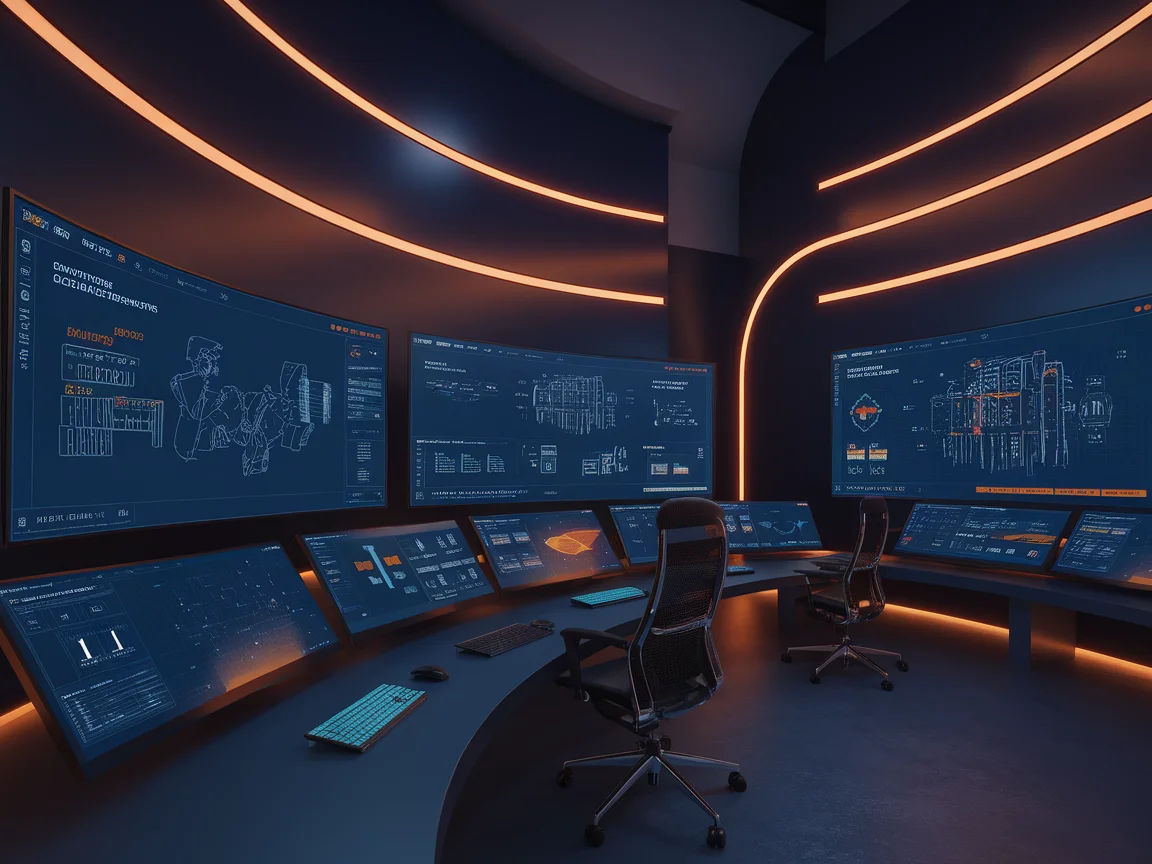
Engineering AI command centre with curved screens
Enterprise AI 02

Meinhardt AI Centre of Excellence

RAG platform deployed across 6,000+ engineers.

20%+ Task time reduction
6,000+ Engineers served
0 Security incidents

Domain-specific RAG platform deployed across six regional offices, trained on internal design standards, project documentation, and regulatory references. AI-assisted design review with human-in-the-loop governance gates — engineers accountable for every AI-assisted decision. Governance model adopted as the Group template for all subsequent AI deployments.

SME Takeaway

A retrieval system trained on your own documentation — product specs, proposals, service manuals — consistently outperforms a generic AI on your actual work. The governance rule is the same at any scale: classify every task by whether the AI decides alone, requires a human check, or cannot act without approval.

Read case study →
Executive boardroom with multi-jurisdiction governance framework
Governance 03

Global AI Governance Framework

Governance standards for AI deployments across Asia and the Middle East.

3 Regulatory environments
1 Unified governance standard
Group-wide Adoption scope

Single governance standard satisfying Singapore's IMDA framework, Saudi Arabia's NDMO requirements, and Oman's TRA framework simultaneously — without creating separate compliance stacks per jurisdiction. Jurisdiction-specific annexes removed compliance overhead from individual deployment teams. Referenced in the Group's sustainability report as evidence of responsible AI practice.

SME Takeaway

Four questions determine your AI governance baseline before any agent acts on your behalf: What can it do without asking you? Who checks the output? What happens when it is wrong? Can your staff still do this manually? The complexity is irrelevant. The questions are the same whether you are deploying across three jurisdictions or adding a single chatbot to your business.

Read case study →
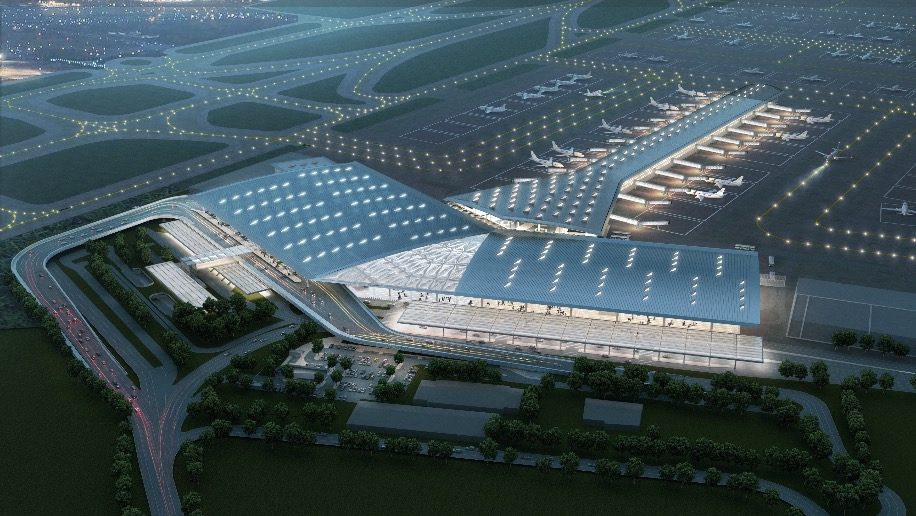
Futuristic airport terminal interior at golden hour
Infrastructure 04

NEOM Bay Airport Digital Strategy

AI-driven operational intelligence for a greenfield international airport.

18% Handling time reduction (simulation)
Day zero AI-first from opening
Zero Legacy debt

AI-first operational architecture for a greenfield international airport — passenger flow prediction, baggage optimisation, and integrated operations control designed before the airport opened. Prediction models simulation-validated against comparable airports; real operational data to improve accuracy from day one. Zero-legacy architecture adopted as the reference model for future NEOM infrastructure builds.

SME Takeaway

Building the right measurement framework before you need the predictions is worth more than retrofitting AI onto data collected for other purposes. The same applies to a growing business: what you start measuring today determines what AI can do for you in three years. Design the data collection first.

Read case study →
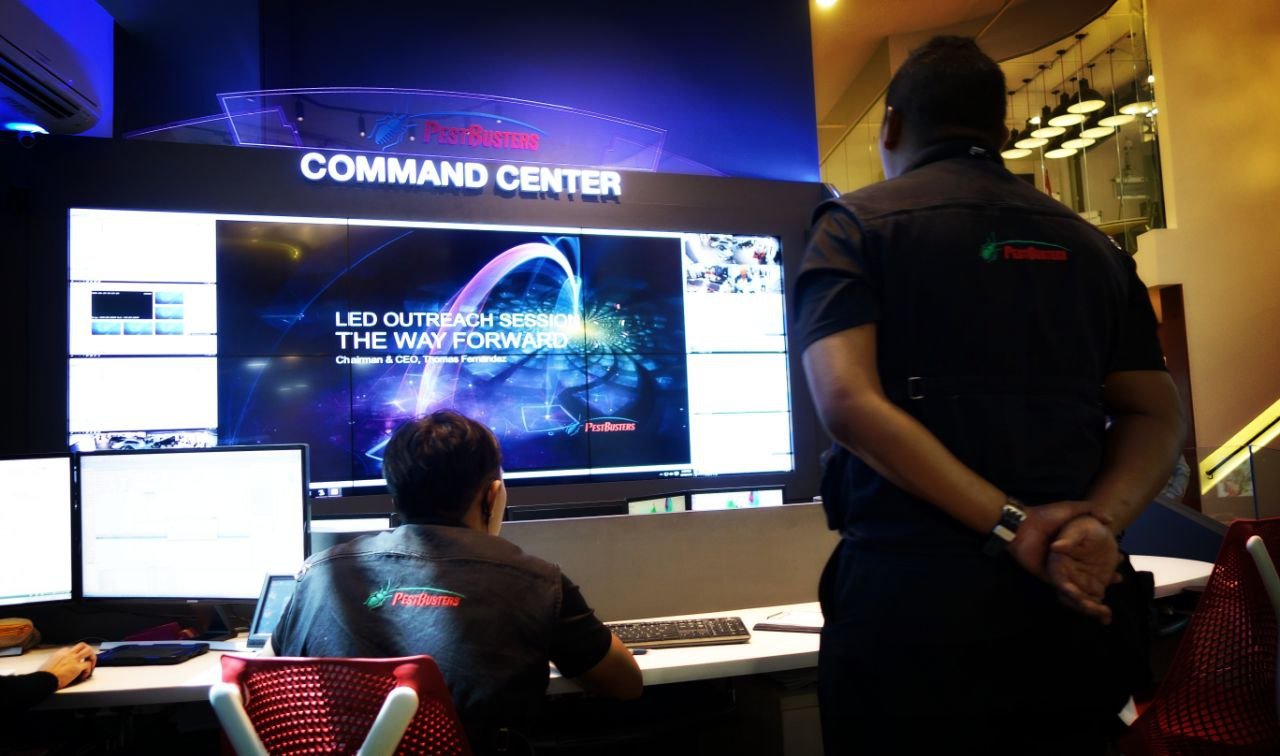
City-scale integrated operations control centre
Smart Cities 05

Sultan Haitham City IOCC, Oman

City-scale integrated operations control for a new urban development.

City-scale Operational scope
Multi-agency Command integration
National Standard adopted

Federated data architecture connecting traffic, utilities, emergency services, and civic services into a single operational view. Real-time analytics pipelines with multi-agency command protocols and human oversight framework for coordinated response. Multi-agency coordination protocol adopted as the national standard for new city developments in Oman.

SME Takeaway

A single operational view of your business — orders, queries, stock levels, service delivery — follows the same integration design as a city-scale control centre. The design question is identical: what do you need to see, in what timeframe, and what triggers a human decision? Scale changes the data volume. It does not change the design logic.

Read case study →
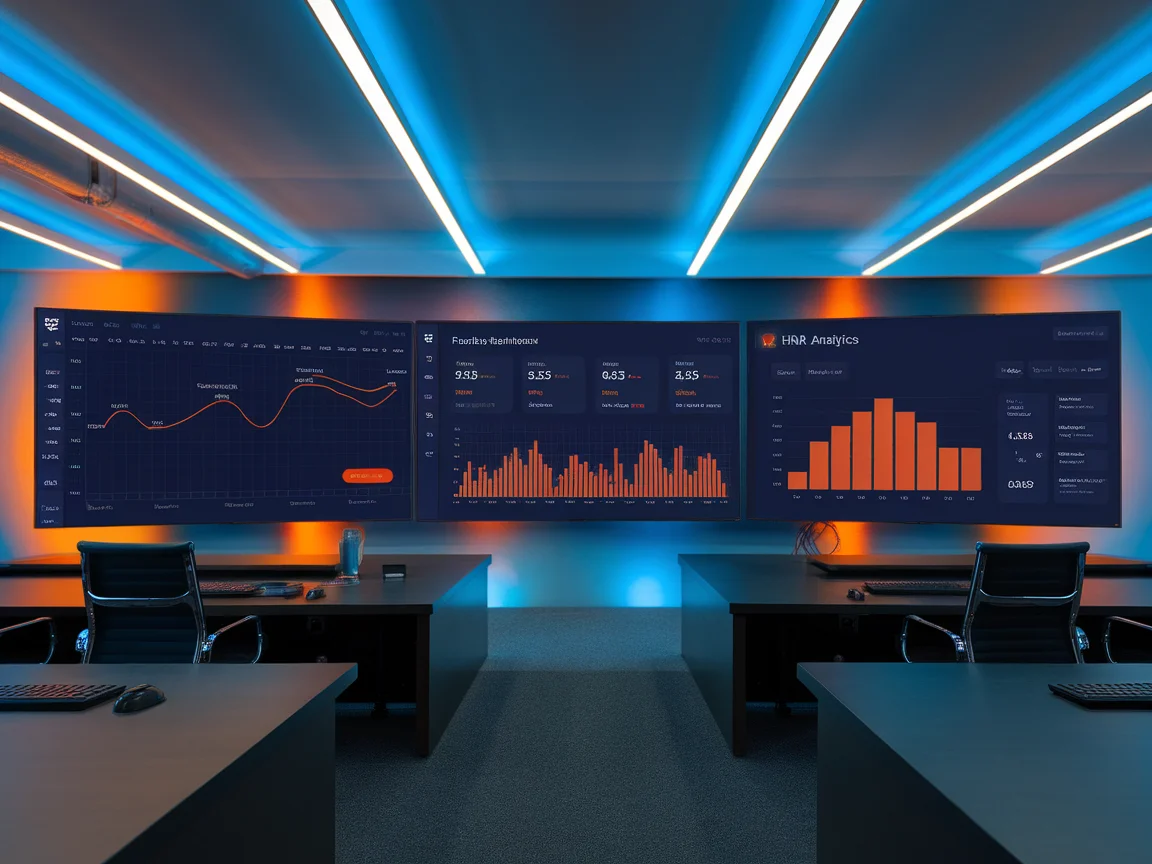
Enterprise operations room with multi-screen BI dashboards
Enterprise AI 06

AI-Enabled Enterprise Operations Platform

Unified ERP bringing project management, finance, HR, and real-time BI into one environment.

Single Unified operations platform
Real-time BI across all business units
AI-driven HR automation & chatbot

Unified enterprise resource planning platform digitalising core operations — bringing project management, finance, HR, and business intelligence into a single integrated environment. An AI-enabled HR chatbot automates employee engagement and real-time staff support, reducing manual HR workload and improving staff experience. Live business intelligence dashboards monitor strategic business unit performance, enabling data-driven decisions at every level of the organisation.

SME Takeaway

Integrating your core operations into a single data environment is the prerequisite for meaningful AI — not a separate initiative. An AI assistant answering staff queries delivers measurable value only when it can access live, structured data from the systems your business already uses. The integration is the product. Build the data foundation first; the AI layer follows naturally.

Read case study →
Dubai International Financial Centre towers at night
Infrastructure 07

DIFC Enterprise Campus Network Design Review

Independent peer review establishing the technical baseline for DIFC 2.0 network infrastructure.

DIFC 2.0 Infrastructure baseline
4 standards UAE regulatory alignment
RFP-ready Procurement outputs

Engaged as independent peer reviewer for the enterprise campus network Low Level Design at the Dubai International Financial Centre — ensuring technical soundness, regulatory alignment, and procurement-readiness ahead of the DIFC 2.0 infrastructure rollout. Review scope covered network architecture, segmentation, security controls, high-availability design, and compliance with DIFC ICT Law, UAE TDRA, DESC, and SIRA standards. Delivered evidence-based findings, RFP-ready requirements, and implementation assumptions that established a regulator-aligned infrastructure baseline.

SME Takeaway

An independent technical review before procurement surfaces assumptions and risks that internal teams normalise through familiarity. The same principle applies at any scale: a structured second opinion on your technology architecture — before you commit budget — consistently identifies gaps that implementation-phase discovery does not afford time or money to fix. Design for scrutiny from the start.

Read case study →
Executive capability diagnostic scorecard on curved monitor
Governance 08

Infrastructure Capability Diagnostic Framework

Four-phase diagnostic framework informing over US$60B in infrastructure investment decisions.

US$60B+ Investment basis
20+ Improvement opportunities
6 domains Infrastructure coverage

Designed and deployed a four-phase diagnostic framework and toolkit to evaluate, improve, and monitor technical capability across six critical infrastructure domains: planning, design, cost estimation, construction, innovation, and operations. The model — Diagnosis, Deep-Dive, Improvement, and Dashboard — delivered a comprehensive performance scorecard, root-cause analysis, prioritised mitigation plans, and an executive monitoring system providing real-time capability visibility and enabling data-driven prioritisation across a programme exceeding US$60 billion.

SME Takeaway

Leadership cannot improve what it cannot measure. A diagnostic that produces a single, honest capability score — benchmarked against a defined target state — changes the conversation from opinion to evidence. The four-phase model applies whether you are rationalising investment across a major national programme or assessing the technical capacity of a ten-person team. Name the gap. Quantify it. Fix it in priority order.

Read case study →
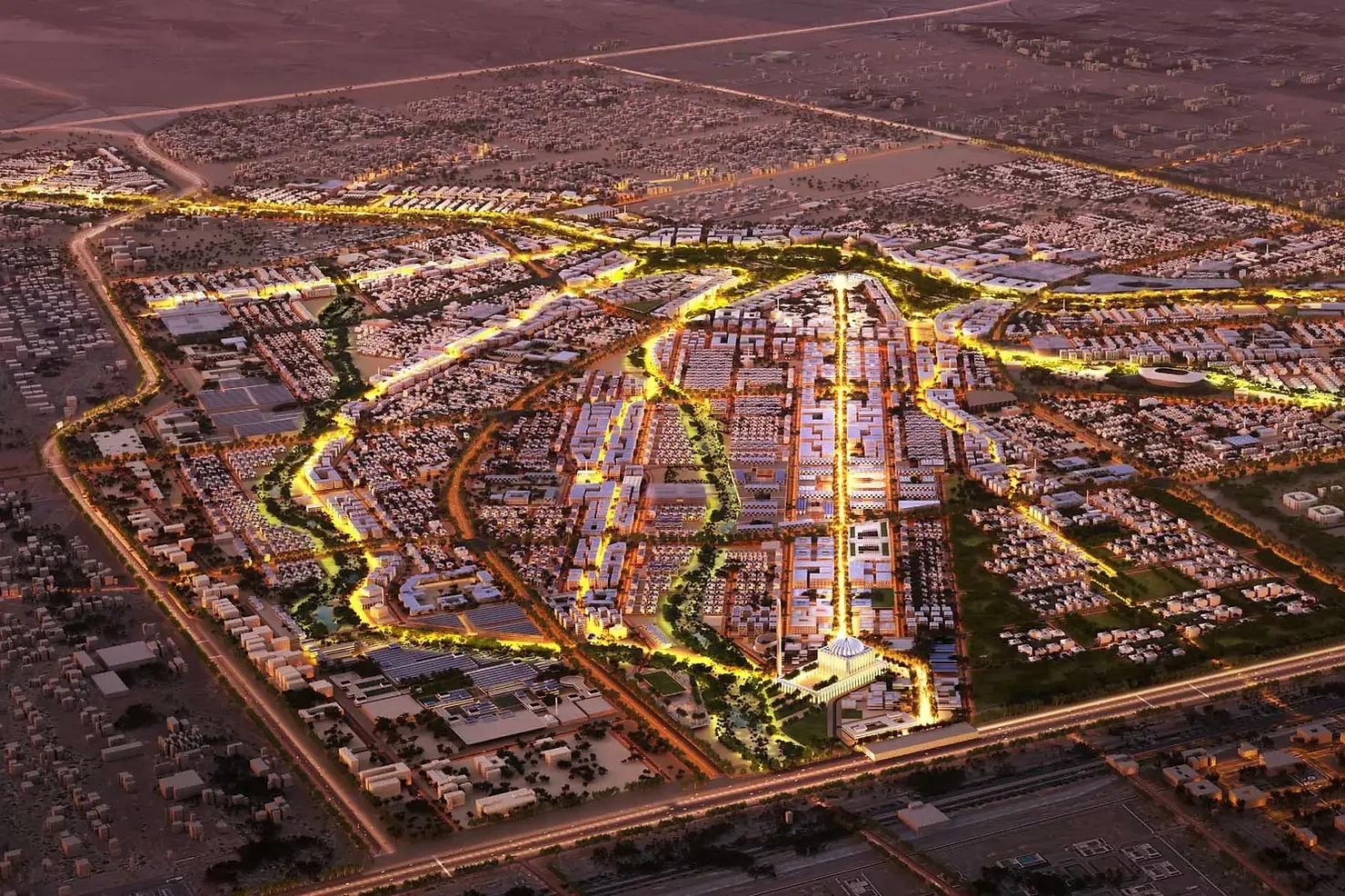
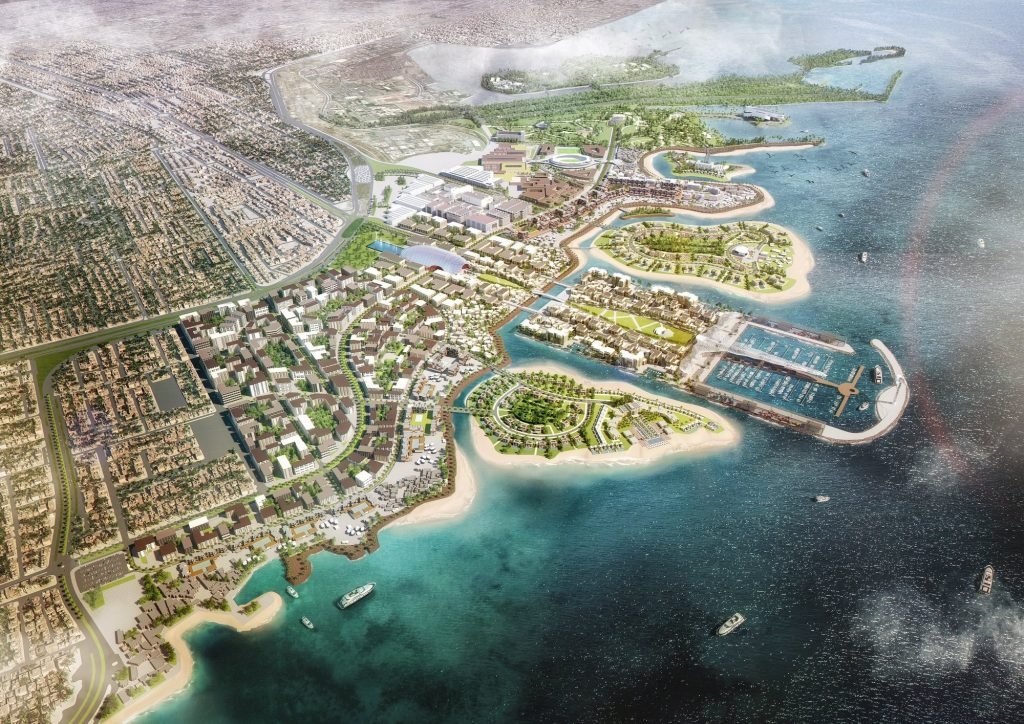
Aerial view of planned smart city development at golden hour
Smart Cities 09

SOHAR Smart City, Oman

Smart city strategy for Oman's 6.24M sqm "5-minute city" serving 70,000+ residents.

6.24M sqm Development area
70,000+ Residents served
15 Integrated neighbourhoods

Smart city strategy and integrated infrastructure for Oman's Ministry of Housing and Urban Planning — a 6.24M sqm sustainable urban development designed as a "5-minute city" where all essential services are within walking distance. Framework spanned six domains: integrated transportation management, IoT infrastructure and digital connectivity, city-wide data analytics and decision support, smart environmental monitoring, digital governance and citizen engagement platforms, and cybersecurity architecture. Delivered Oman's first integrated smart city framework and the blueprint for future urban developments across the Sultanate.

SME Takeaway

A "5-minute city" — where all essential services are accessible and connected — is a precise operational design problem: what does a seamless experience require you to know in real time, and what systems must respond automatically? The same question governs every service business at any scale. Map the customer journey first, identify the data gaps, then design the integrations and feedback loops that close them.

Read case study →
Aerial view of Gulf coastline at golden hour
Smart Cities 010

NEOM Magna Smart City Master Plan

Smart city framework for a 406 km² eco-tourism destination on the Gulf of Aqaba.

406 km² Development area
130 km Coastline covered
Vision 2030 National alignment

Integrated smart city framework across four domains: multi-modal visitor navigation, personalised experience and booking systems, IoT-enabled monitoring of utilities and environment, and environmental protection systems — all designed to minimise physical footprint across 130km of protected coastline. Established as the blueprint for sustainable coastal development in the Gulf region.

SME Takeaway

IoT-enabled operational monitoring and personalised experience design at city scale use the same data-feedback principles as customer journey tracking and operational dashboards for service businesses. The framework question is identical: what does a seamless customer experience require you to know in real time, and what feedback loops keep it improving?

Read case study →